Ever stared at a pile of old furniture and wondered, “Where does all this even go?” Spoiler alert: Most of it ends up in landfills. But what if your couch could help you save the planet? Enter smart furniture, the tech-savvy solution to reducing waste in your home. Buckle up as we explore how this futuristic trend is tackling waste reduction head-on.
Table of Contents
- Why Furniture Waste is a Growing Crisis
- How Smart Furniture Reduces Waste
- Steps to Integrate Smart Furniture Into Your Life
- 6 Tips for Maximizing Smart Furniture Waste Reduction
- Real-Life Success Stories of Smart Furniture
- FAQs About Smart Furniture Waste Reduction
Key Takeaways
- Traditional furniture waste is a massive environmental problem, with millions of tons ending up in landfills annually.
- Smart furniture uses modular and sustainable designs to reduce waste and extend product lifespans.
- You can adopt smart furniture by starting small, like investing in a smart desk or chair.
- Maximizing waste reduction involves pairing smart furniture with eco-friendly habits.
- Success stories show how businesses and homeowners alike benefit from integrating smart furniture.
Why Furniture Waste is a Growing Crisis
I once bought a trendy armchair during a flash sale, only to toss it three years later because the fabric wore out. That chair probably still exists somewhere in a landfill, haunting me with its ghostly foam stuffing. Unfortunately, I’m not alone—every year, over 9 million tons of furniture waste hit U.S. landfills, according to the EPA.
Here’s the kicker: Traditional furniture isn’t built to last. It’s often glued together, impossible to repair, and designed for short-term appeal. As a result, when trends shift or wear-and-tear sets in, we throw it out instead of fixing it. This creates unnecessary waste that lingers for centuries. Enter my confession: I’ve been part of the problem, but now I’m here to fix it—with smart furniture.
How Smart Furniture Reduces Waste
So, what makes smart furniture so special? Imagine a coffee table that transforms into a dining table or a bed frame that tracks your sleep patterns while doubling as storage. Modular design, IoT integration, and sustainable materials are just a few ways smart furniture tackles waste reduction:
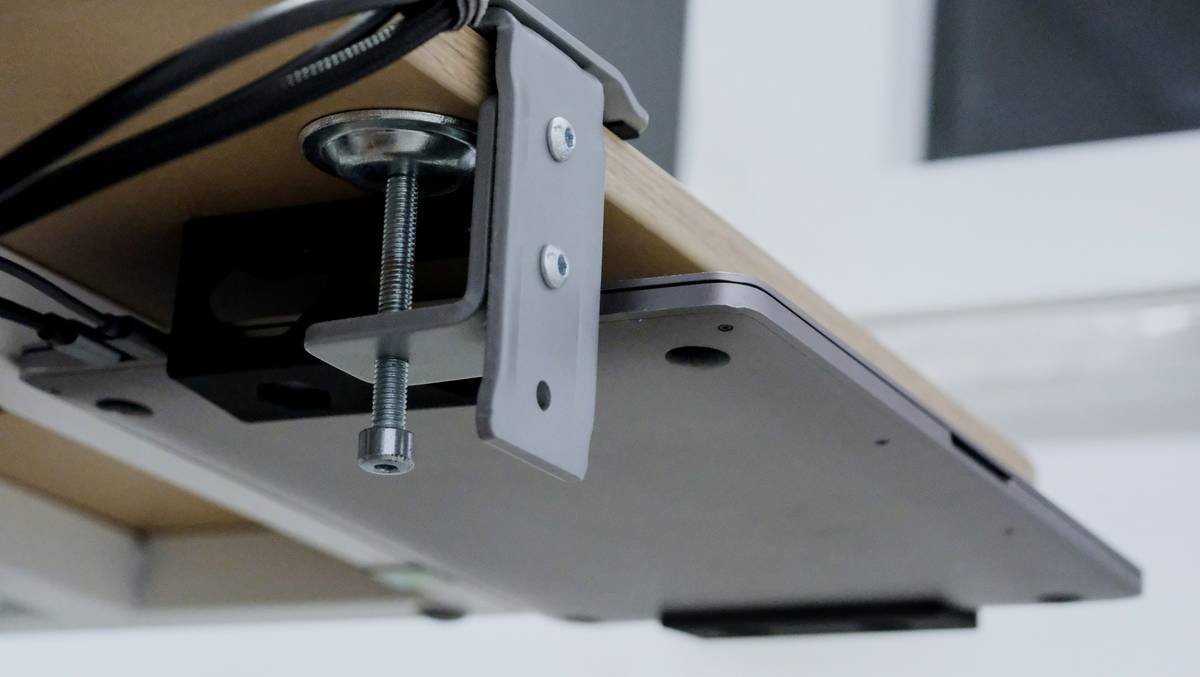
- Modular Design: Pieces connect and disconnect like LEGO blocks, allowing users to adapt furniture for new purposes rather than replacing it.
- IoT Integration: Sensors monitor usage and condition, prompting maintenance before breakdowns occur.
- Sustainable Materials: Recycled plastics, biodegradable fabrics, and responsibly sourced wood make these pieces friendlier to the planet.
Steps to Integrate Smart Furniture Into Your Life
Optimist You: “This sounds amazing—let’s get started!” Grumpy You: “Ugh, fine—but only if coffee’s involved.” Fair enough. Here’s how to take action without losing your sanity:
- Assess Your Needs: Identify one area where smart furniture would add value, like an ergonomic workspace or multi-functional living room.
- Do Your Research: Brands like Ori Living and IKEA are leading the charge with innovative options.
- Start Small: Test the waters with a smart light-up mirror or adjustable desk.
- Budget Wisely: While some pieces may have higher upfront costs, their longevity saves money long-term.
- Dispose Responsibly: When upgrading, donate or recycle old furniture to minimize further waste.
- Pair With Eco-Habits: Combine smart furniture with practices like energy-efficient lighting and minimalism.
6 Tips for Maximizing Smart Furniture Waste Reduction
Ready to crush your waste reduction goals? Here’s your toolkit:
- Mix and Match: Use modular components creatively—for example, turn your sofa into guest seating or extra storage.
- Leverage Tech Features: Enable alerts on furniture equipped with IoT sensors to prevent damage.
- Prioritize Longevity: Look for durability ratings and warranties before purchasing.
- Choose Upcyclable Options: Opt for brands offering recycling programs or take-back initiatives.
- Repurpose Creatively: Turn an old ottoman into a pet bed or storage chest.
- Terrifying Tip Alert: Avoid buying cheap knock-offs claiming to be “smart.” These often fail quickly and contribute to e-waste.
Real-Life Success Stories of Smart Furniture
Let’s talk about Ori Living, a company revolutionizing urban spaces with robotic furniture. Their smart Murphy beds fold seamlessly into walls, eliminating the need for bulky bedroom setups. One customer reported saving $500 monthly by downsizing apartments thanks to compact smart furniture solutions.
Another win comes from IKEA’s collaboration with Sonos on a smart shelf-speaker combo. Users rave about the versatility—it doubles as decor and sound system, reducing clutter and electronic waste simultaneously.
FAQs About Smart Furniture Waste Reduction
Is smart furniture expensive?
While initial investments might feel steep, consider the cost savings over decades due to fewer replacements and repairs.
Can I retrofit non-smart furniture?
Some kits let you add sensors or automation features to existing items, though full modularity requires purpose-built designs.
What happens to smart furniture at end-of-life?
Many brands offer recycling services, ensuring components don’t wind up in landfills.
Conclusion
By blending practicality with sustainability, smart furniture waste reduction is more than a buzzword—it’s a movement toward smarter living. From transforming our homes into zero-waste havens to shrinking our carbon footprints, the future looks bright (and stylish). Ready to join the revolution? Start small, dream big, and remember: Like a Tamagotchi, your smart furniture needs regular love and care to thrive.