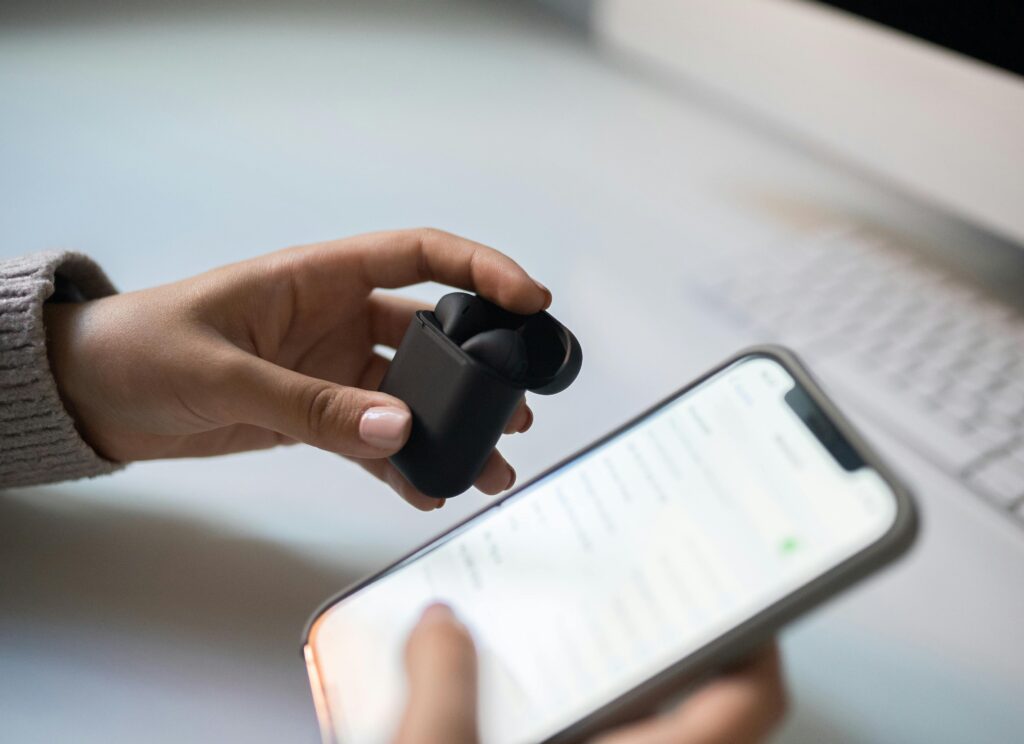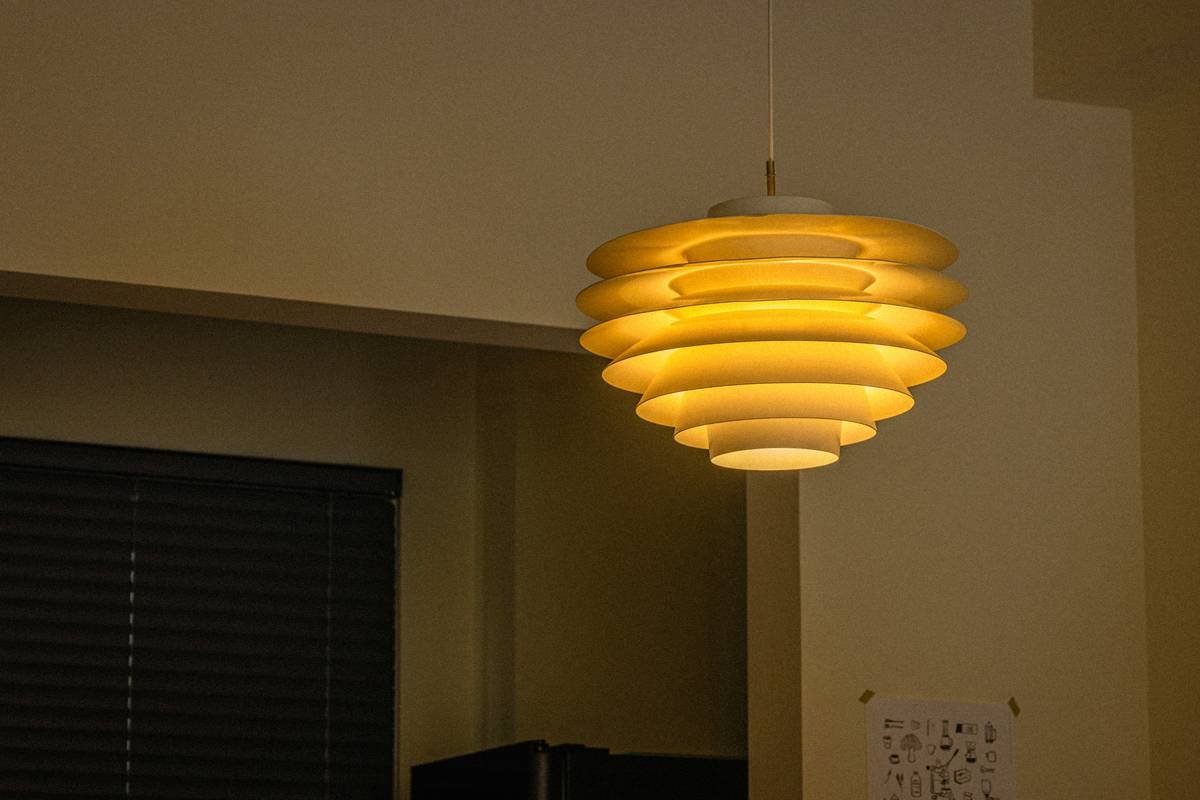
Hook: Ever thought, “Why can’t my lamp just turn on when I walk into the room?” Well, you’re not alone. Smart lamp connectivity is about to change your life.
Purpose: In this post, we’ll dive into the world of smart lamps and how seamless connectivity can transform your home living experience. We’ll cover everything from the basics to the best practices, and even share some real-world success stories.
Preview: You’ll learn why smart lamp connectivity matters, how to set it up step-by-step, tips for the best performance, and more. Let’s get started!
Table of Contents
- The Importance of Smart Lamp Connectivity
- Step-by-Step Guide to Setting Up Smart Lamps
- Tips and Best Practices for Optimal Performance
- Real-World Examples and Success Stories
- Frequently Asked Questions
Key Takeaways
- Smart lamp connectivity enhances convenience and energy efficiency.
- Setting up smart lamps involves selecting the right hardware and integrating with your home network.
- Best practices include regular updates, secure connections, and compatibility checks.
- Real-world success stories demonstrate the transformative impact of smart lighting.
The Importance of Smart Lamp Connectivity
Imagine walking into a dark room and having the lights turn on automatically. Sounds like something out of a sci-fi movie, right? With smart lamp connectivity, this is your reality. But why is it so important?
Optimist You:* “It’s all about convenience!”
Grumpy You: “Ugh, sure, but who has time for setup?”
Smart lamps not only make your life easier but also save you money on energy bills. Plus, they can be controlled from your smartphone or voice-activated devices, making them perfect for tech-savvy homeowners.

Step-by-Step Guide to Setting Up Smart Lamps
Step 1: Choose the Right Smart Lamp
First, you need to pick the right smart lamp. Look for one that supports Wi-Fi or Bluetooth connectivity and is compatible with your smart home ecosystem (e.g., Amazon Alexa, Google Assistant).
Step 2: Install the App
Download the app provided by the manufacturer. This will be your primary interface for controlling and customizing your smart lamp.
Step 3: Connect to Your Home Network
Follow the in-app instructions to connect your smart lamp to your Wi-Fi network. This step is crucial for remote control and automation features.
Step 4: Set Up Automation
Configure your smart lamp to turn on or off at specific times, or based on your presence. This can be done through the app or integrated with other smart home devices.
Tips and Best Practices for Optimal Performance
- Regular Updates: Keep your smart lamp and app updated to ensure you have the latest features and bug fixes.
- Secure Connections: Use a strong, unique password for your Wi-Fi network and enable two-factor authentication if available.
- Compatibility Checks: Ensure your smart lamp is compatible with your existing smart home devices and ecosystem.
Terrible Tip Disclaimer: Don’t try to use a smart lamp with an outdated or unsupported device. It’s like trying to fit a square peg into a round hole—just don’t do it.
Real-World Examples and Success Stories
Meet John, a busy professional who was tired of tripping over his cat in the dark. After installing a smart lamp, he could set it to turn on automatically when he entered the room. No more late-night stumbles! Similarly, Sarah, a frequent traveler, uses her smart lamp to simulate occupancy, deterring potential burglars. These are just a few examples of how smart lamp connectivity can make a real difference in everyday life.
Frequently Asked Questions
Do I need a hub to connect my smart lamp?
Not necessarily. Many smart lamps today come with built-in Wi-Fi or Bluetooth, allowing you to connect directly to your home network. However, if you have a complex smart home setup, a hub can be beneficial for better integration and reliability.
Can I control my smart lamp with my voice?
Absolutely! Most smart lamps are compatible with popular voice assistants like Amazon Alexa and Google Assistant. Simply set up the skill or action in your voice assistant app and start using voice commands.
How much does a smart lamp cost?
The cost varies depending on the brand and features. Basic models can start as low as $30, while more advanced ones with additional features can range from $80 to $150. Consider your needs and budget when making a selection.
Conclusion
Smart lamp connectivity is not just a fancy feature; it’s a game-changer for modern living. From setting the perfect ambiance to saving on energy bills, the benefits are clear. By following the steps and tips outlined in this post, you can seamlessly integrate smart lamps into your home and enjoy a more convenient and efficient lifestyle.
Like a Tamagotchi, your smart home needs daily care. Stay connected, stay smart!