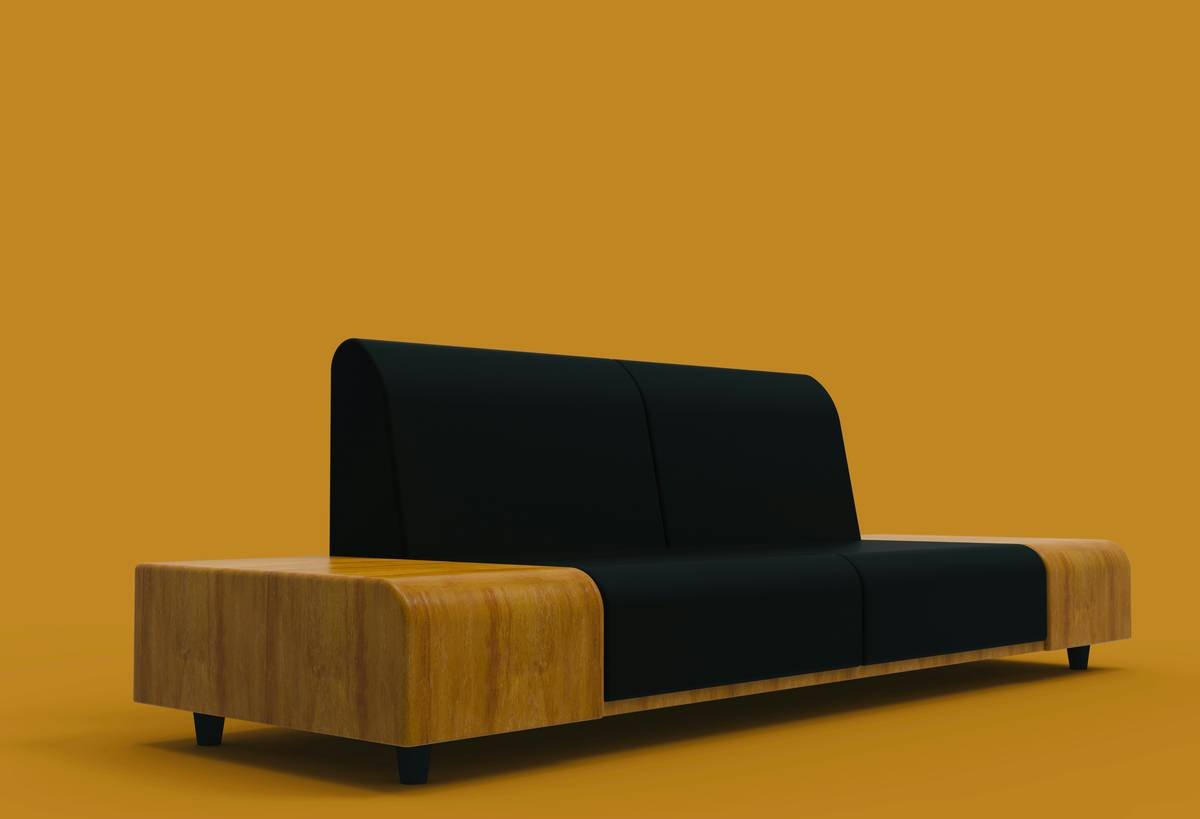
Ever sat down on a couch that adjusts itself to your posture and thought, “What happens when this thing stops working?” Yeah, us too. As smart furniture continues to blend seamlessly into our homes (and lives), understanding its lifecycle becomes critical—for both your wallet and sanity.
In this guide, we’ll demystify the smart furniture lifecycle, from purchase to replacement. You’ll learn how long it lasts, how to maintain it, and what to do when it throws you under the algorithmic bus. Plus, there’s an Easter egg at the end—because nostalgia never gets old.
Table of Contents
- Introduction
- Key Takeaways
- Why Smart Furniture Fails Us Sooner Than Expected
- Step-by-Step Guide to Extending Your Smart Furniture’s Life
- Top Tips for Smarter Maintenance
- Real-World Examples of Smart Furniture Lifecycles
- FAQs About the Smart Furniture Lifecycle
- Conclusion
Key Takeaways
- Smart furniture typically has a lifecycle of 5–8 years but can last longer with proper care.
- Regular software updates and firmware checks are crucial for maintaining functionality.
- Ignoring routine maintenance could lead to costly repairs—or worse, forced upgrades.
- Buying secondhand smart furniture? Proceed with caution; battery life and connectivity issues may lurk.
Why Smart Furniture Fails Us Sooner Than Expected
I once spent $2,000 on a “revolutionary” smart recliner only to find out six months later that its app wasn’t compatible with iOS updates. RIP investment—and my back support. Sound familiar?
Pain Point Alert: Unlike traditional furniture, smart furniture comes bundled with technology. That means sensors, apps, batteries, and Wi-Fi connections—the works. And just like any gadget, these components wear out or become obsolete faster than Grandma’s antique rocking chair.

If left unchecked, here’s what happens to your beloved piece:
- Year 1–3: Peak performance—everything syncs perfectly.
- Year 4–5: Minor glitches start creeping in—updates fail or features break.
- Year 6+: Obsolescence strikes—it no longer integrates with newer devices.
Understanding the smart furniture lifecycle helps you avoid unexpected breakdowns while maximizing ROI.
Step-by-Step Guide to Extending Your Smart Furniture’s Life
Optimist You: “Follow these steps, and your smart furniture will live forever!”
Grumpy You: “Forever relative to tech standards—which is about as long as my coffee stays hot.”
Let’s dive in:
Step 1: Keep Software Updated
Imagine ignoring your phone’s update alerts until it bricks itself. Sounds scary, right? The same goes for smart furniture. Manufacturers regularly release patches to fix bugs and improve security.
Step 2: Clean Sensors & Moving Parts
Those fancy motion-detecting ottomans won’t work if their sensors are covered in dust bunnies. Use a microfiber cloth and avoid harsh chemicals—your furniture will thank you.
Step 3: Monitor Battery Health
Many smart pieces run on rechargeable batteries. Keep tabs on charging cycles using built-in diagnostics (usually accessible via the companion app).
Step 4: Store Firmware Keys Safely
Avoid getting locked out of system restores by keeping backup files secure. This saves headaches during catastrophic failures.
Top Tips for Smarter Maintenance
- Tip #1: Schedule annual “tech checkups” where you test every feature.
- Tip #2: Invest in surge protectors to shield against electrical damage.
- Terrible Tip Alert: Ignore warranty terms because “you got this.” Spoiler: You don’t. Always register products immediately after purchase!
- Tip #3: Research resale value before buying. Some brands retain better market prices post-lifecycle.
RANT TIME: Why does every smart furniture company insist on proprietary apps?! Universal controls would solve SO many problems. Instead, I have five separate apps cluttering my home screen, all begging for permission to track my location. It’s whirrrr-inducing chaos.
Real-World Examples of Smart Furniture Lifecycles
Take Sarah’s story, who bought a smart desk three years ago. She diligently updated firmware and cleaned weekly. Fast-forward to today? Her desk still functions flawlessly despite being discontinued.
On the flip side, Mike ignored his smart bed’s low-battery warnings… until one morning he woke up tangled in sheets instead of being gently awakened by vibrations. Lesson learned: Don’t sleep on maintenance!
FAQs About the Smart Furniture Lifecycle
How Long Does Smart Furniture Typically Last?
Average lifespans range from 5–8 years, depending on usage and upkeep.
Can Old Smart Furniture Be Recycled?
Yes! Many manufacturers offer recycling programs for outdated models.
What Happens If My App Stops Working?
You might lose some functionality unless alternative manual controls exist.
Conclusion
Mastering the smart furniture lifecycle isn’t rocket science—it’s more like taming a digital Tamagotchi. With regular care, updates, and attention to detail, you can extend its lifespan significantly. Remember: Treat your furniture well, and it’ll return the favor.
One final haiku for the road:
Sensors hum softly,
Batteries fade, yet hope lingers—
Tech hugs, not heartbreaks.