
Hook: “What if your couch could tell you it was too crowded before your guests arrived?” Sounds like sci-fi, but this is the reality smart furniture promises—and the future is closer than you think. Whether you’re a tech enthusiast or a homeowner looking to upgrade, understanding smart furniture trend forecasting is key to staying ahead in this rapidly evolving niche.
In this post, we’ll unpack why smart furniture is more than just a gimmick, explore actionable steps to forecast trends, and share brutally honest insights about the dos and don’ts. Plus, there’s a rant section you won’t want to miss (spoiler: voice-controlled coffee tables aren’t always perfect). Let’s dive in!
You’ll learn:
- The current state of smart furniture and its growth trajectory
- A step-by-step guide to predicting the next big trends
- Tips to avoid common pitfalls when investing in smart furniture
- Real-world examples of cutting-edge designs transforming homes today
Table of Contents
- Key Takeaways
- Why Smart Furniture Is More Than Just Hype
- Step-by-Step Guide to Smart Furniture Trend Forecasting
- Tips for Mastering the Smart Furniture Game
- Case Studies: Smart Furniture in Action
- FAQs About Smart Furniture Trends
Key Takeaways
- Smart furniture integrates technology seamlessly into everyday life, from adjustable desks to voice-controlled lighting systems.
- Forecasting trends involves analyzing consumer behavior, tech advancements, and industry reports.
- Don’t fall for flashy features; prioritize functionality and longevity.
- Successful brands blend aesthetics with utility, creating products that enhance both comfort and convenience.
Why Smart Furniture Is More Than Just Hype
I’ll admit it—I once bought a smart recliner because it had an app. Big mistake. The app crashed constantly, and the Bluetooth connectivity was finicky at best. Lesson learned: not all smart furniture delivers on its promises. But here’s the thing—the market isn’t slowing down anytime soon. According to Allied Market Research, the global smart furniture market size is projected to reach $52 billion by 2027.
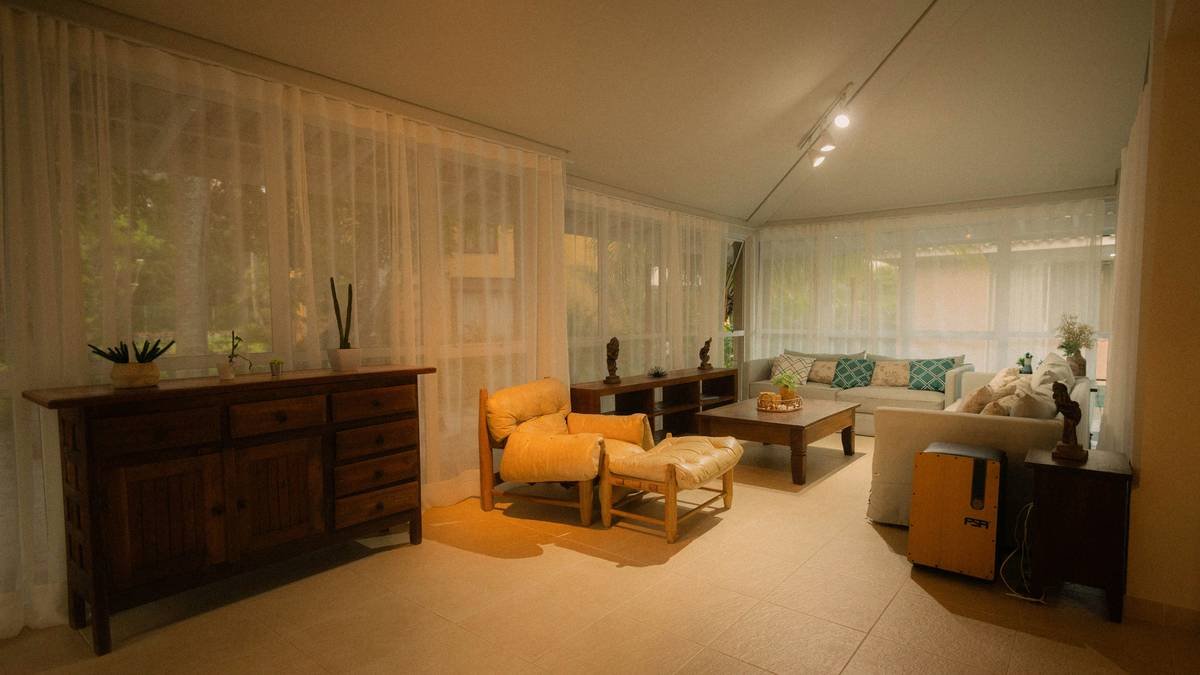
So, why should you care? For starters, smart furniture solves real problems. It enhances accessibility for people with disabilities, optimizes small spaces in urban areas, and helps reduce energy consumption through integrated sensors. Imagine a desk that reminds you to stand every hour or a bed that adjusts its firmness based on your sleep patterns. These aren’t pipe dreams—they’re innovations already hitting the shelves.
“Optimist You:” “This sounds amazing—let’s get everything smartified!”
“Grumpy You:” “Hold up. First, figure out what actually works.”
Step-by-Step Guide to Smart Furniture Trend Forecasting
Step 1: Analyze Consumer Behavior Trends
To predict which smart furniture pieces will dominate, look at what consumers are asking for. Are they prioritizing sustainability? Multifunctionality? Use tools like Google Trends and AnswerThePublic to identify recurring themes.
Step 2: Keep an Eye on Tech Advancements
From AI to IoT, technological breakthroughs directly influence smart furniture capabilities. Follow tech blogs, attend virtual expos, and subscribe to newsletters from leaders in the space (e.g., IKEA, Samsung).
Step 3: Track Industry Reports
Companies like McKinsey and Deloitte regularly publish reports on emerging trends in home technology. Dive deep into these resources to uncover insights others might overlook.
Tips for Mastering the Smart Furniture Game
- Prioritize Function Over Flash: Just because it connects to Wi-Fi doesn’t mean it’s useful. Stick to products that address specific needs.
- Invest in Modular Designs: The future of smart furniture lies in flexibility. Look for modular options that adapt as your lifestyle changes.
- Read Reviews Carefully: Remember my failed recliner? Yeah, I skipped reading reviews. Don’t be me.
- Beware the Terrible Tip: Buying something solely because it has Alexa integration can backfire. Make sure the feature adds value to your daily routine.
Sound like your laptop fan during a 4K render? That’s how chaotic smart furniture shopping feels without proper guidance.
Case Studies: Smart Furniture in Action
Rant Time: Okay, let me vent for a second. Why do some companies think slapping a touchscreen onto a table makes it “smart”? If I wanted a glorified iPad holder, I’d buy one! Now, onto better examples…
Case Study #1: Ori Living’s Robotic Furniture
Ori Living creates robotic furniture that transforms rooms at the touch of a button. Their Livo system converts a living room into a bedroom within seconds—a game-changer for studio apartments.
Case Study #2: Herman Miller x Logitech Gaming Chair
This collaboration combines ergonomic design with gaming-centric tech, proving that smart furniture doesn’t have to sacrifice style for function.
FAQs About Smart Furniture Trends
Q: What’s driving the rise of smart furniture?
A: Increasing urbanization, demand for multifunctional spaces, and advancements in IoT technology are major drivers.
Q: Is smart furniture expensive?
A: Prices vary widely, but entry-level options are becoming more affordable thanks to mass-market adoption.
Q: Can existing furniture be upgraded to become “smart”?
A: Yes! Many retrofit kits allow you to add smart features to traditional furniture.
Conclusion
Smart furniture trend forecasting isn’t just about spotting the next viral gadget—it’s about anticipating shifts in how we live, work, and interact with our environments. By following the steps outlined above, staying informed, and avoiding shiny-object syndrome, you can make smarter choices when it comes to integrating tech into your home.
And remember: Like a Tamagotchi, your SEO needs daily care. Thanks for sticking around—you’ve earned yourself a meme-worthy haiku:
Couch whispers secrets,
Voice commands reorder chairs—
Welcome to tomorrow.