Ever walked into a room and wished your furniture could just… read your mind? Picture this: You’re hosting a dinner party, and with a simple voice command, your dining table adjusts its height, lights dim automatically, and the couch transforms into a cozy lounge. Sounds like science fiction? Nope—it’s smart furniture interactive design, and it’s here to change how we live.
In this post, we’ll dive deep into why smart furniture is more than just another tech buzzword. You’ll learn about its evolution, actionable steps for integrating it into your home, expert tips for maximizing functionality, real-world examples that showcase innovation, and answers to FAQs you didn’t even know you had. Let’s get started!
Table of Contents
- Key Takeaways
- The Problem with Traditional Furniture
- Steps to Integrate Smart Furniture Interactive Design
- Best Practices for Using Smart Furniture
- Real-World Examples of Smart Furniture
- FAQs About Smart Furniture Interactive Design
Key Takeaways
- Smart furniture combines aesthetics with technology to enhance user experience.
- Interactive features like voice control, app integration, and modular designs are game-changers.
- To optimize smart furniture, prioritize usability over flashy gimmicks.
- Successful brands focus on practical functionality rather than overwhelming complexity.
- Avoid overloading your space with too many gadgets; simplicity is key.
Why Does Traditional Furniture Leave Us Wanting More?
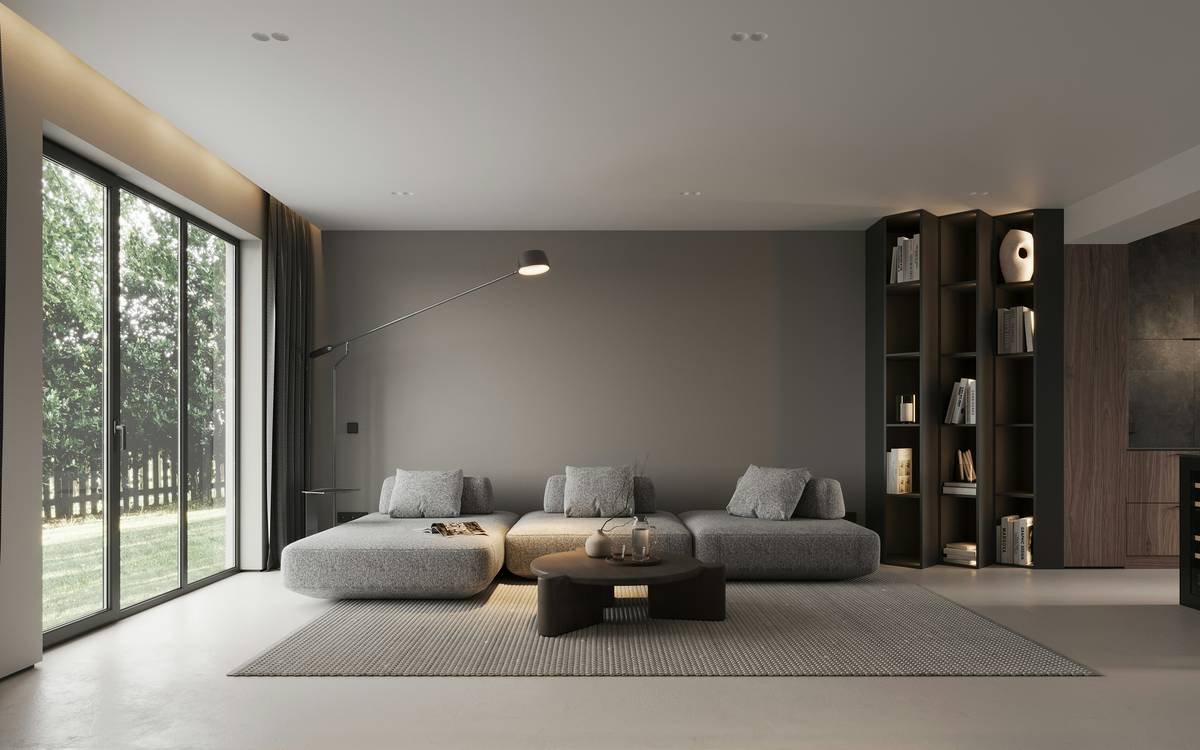
Let me confess something embarrassing. I once bought an expensive coffee table because it “looked cool.” Three months later, I realized it lacked any storage, forcing me to stack magazines awkwardly on top. Ugh. Sound familiar? Traditional furniture often prioritizes style over substance, leaving us frustrated when our spaces don’t adapt to modern needs.
Here’s what sucks most:
- Lack of Versatility: That bulky sofa? It can’t turn into a bed or charge your phone.
- Manual Adjustments: Who has time to manually adjust lighting for every mood?
- No Connectivity: Your smart fridge talks to Alexa—but does your chair?
“Optimist You:” Wouldn’t it be great if furniture could keep up with our busy lives?
“Grumpy Me:” Yeah, but only if it doesn’t require an engineering degree to operate.
How to Seamlessly Integrate Smart Furniture Interactive Design Into Your Home

Ready to upgrade your living space? Follow these steps:
#1: Identify Pain Points
Start by asking, “What annoys me most about my current setup?” Is it limited seating during parties? Or no way to charge devices without hunting for outlets?
#2: Research Compatible Tech
Before buying, ensure compatibility with existing systems (e.g., Google Home, Amazon Alexa). Nobody wants mismatched tech screaming at each other.
#3: Start Small
Begin with one piece—say, a smart desk with built-in wireless charging—and expand gradually.
#4: Focus on Functionality
Pick pieces that solve problems instead of adding unnecessary bells and whistles. A voice-controlled recliner might sound fun… until you realize you never actually use the feature.
Pro Tip: If someone tells you to buy everything at once—”just for the aesthetic”—run far away. Overdoing it is a classic rookie mistake.
Best Practices for Maximizing Smart Furniture Interactive Design
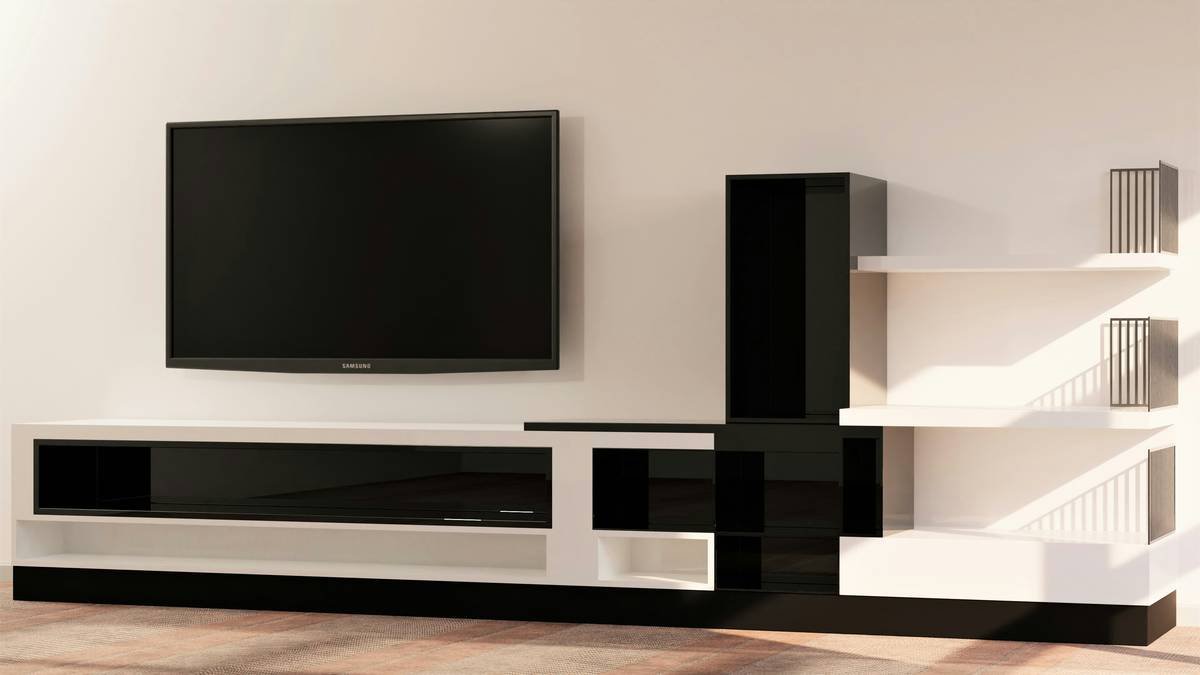
- Keep It Simple: Less is more. Don’t overcrowd your space with overly complex pieces.
- Regular Updates: Firmware updates matter. Just like neglecting your phone software, ignoring updates can lead to bugs.
- Privacy First: Read privacy policies carefully. Some smart furniture collects data—ensure yours respects boundaries.
- User-Friendly Interfaces: Choose intuitive apps and controls. Nobody likes deciphering cryptic symbols at midnight.
- Blend Aesthetics with Tech: Your futuristic chair shouldn’t look like it escaped from a sci-fi movie set.
Rant Alert: Why do some companies make their interfaces so complicated? Seriously, who thought five submenus were necessary to turn on a lamp? Simplify, people!
What Does Success Look Like in Smart Furniture Interactive Design?
Take ORI Systems, for example. Their robotic walls transform small apartments into multi-functional spaces with ease. Need extra sleeping quarters? Press a button, and voila—a Murphy bed appears.
Another standout? IKEA’s UPPLEVA series. This collaboration blends flat-pack convenience with integrated tech, offering everything from wireless chargers to hidden speakers. The result? Minimal clutter, maximum comfort.
Sounds dreamy, right? Now imagine your own home reimagined through this lens.
Frequently Asked Questions About Smart Furniture Interactive Design
Q: How much does smart furniture cost?
A: Prices vary widely depending on features. Basic items start around $500, while luxury options can exceed $5,000.
Q: Can I retrofit non-smart furniture?
A: Absolutely! Smart plugs, sensors, and DIY kits can upgrade traditional pieces.
Q: Is smart furniture secure?
A: Mostly yes—if you stay vigilant. Always check encryption protocols and update firmware regularly.
Q: Will smart furniture increase my property value?
A: Potentially! Buyers love innovative homes, but balance tech with timeless design.
Conclusion: Embrace the Future of Living
From solving everyday frustrations to elevating your lifestyle, smart furniture interactive design bridges the gap between form and function. Just remember: Keep it simple, focus on utility, and avoid falling for shiny distractions.
So go ahead—make your home smarter, one interactive piece at a time. And hey, maybe someday your couch *will* read your mind. Until then, enjoy the journey.
Bonus Haiku:
Wi-Fi flows softly,
Furniture wakes to life.
Home feels alive now.