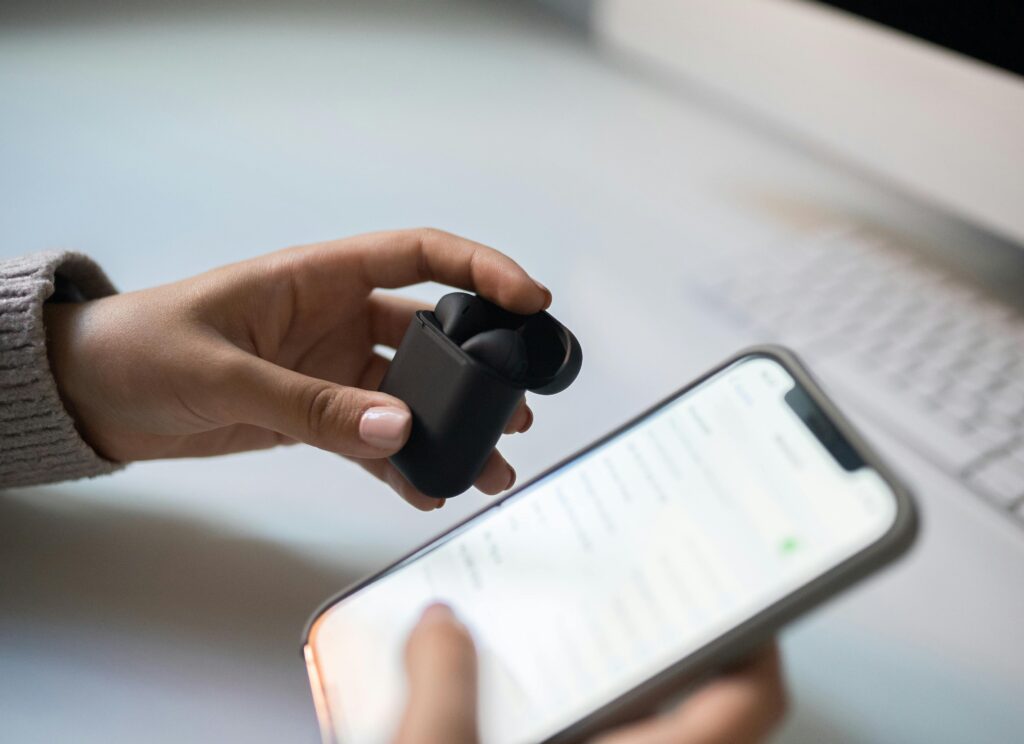
Ever accidentally turned your smart chair into a disco light AND Bluetooth speaker at the same time? Yeah, we’ve all been there. But let’s fix that mess today.
Smart furniture is no longer sci-fi—it’s here, and it’s amazing. Yet, integrating it with apps can feel like deciphering ancient runes if you don’t know what you’re doing. In this guide, you’ll learn what furniture app integration really means, how to do it step-by-step, tips for success, real-world examples, and answers to FAQs about this fascinating microniche of smart home technology. Let’s dive in!
Table of Contents
- Key Takeaways
- The Problem With Furniture App Integration
- How to Perfect Furniture App Integration: Step by Step
- Best Practices for Furniture App Integration
- Examples and Case Studies
- FAQs on Furniture App Integration
- Conclusion
Key Takeaways
- Furniture app integration connects smart furniture with mobile or voice-controlled apps to maximize functionality.
- Choosing compatible devices and apps ensures seamless user experience.
- Poor setup can lead to frustrating glitches—don’t wing it; follow these steps carefully.
- Success stories highlight increased convenience, energy efficiency, and customization.
The Problem With Furniture App Integration
“Why does my desk keep ordering pizza?” If you’re shouting this question at your Alexa device, something has gone terribly wrong. Furniture app integration sounds sexy—smart coffee tables, mood-lit couches, height-adjustable desks controlled via an app—but the reality is often messy.
Here’s why:
- Incompatibility: Not every piece of smart furniture works seamlessly with every app.
- Poor Setup: Skipping crucial configuration steps leaves users stranded with error codes.
- Overloading Features: Too many bells and whistles confuse even tech-savvy folks.
Confession moment: Remember when I tried connecting my smart recliner to a random fitness tracker? Spoiler alert—it didn’t count steps while lounging. Facepalm moment aside, getting started without understanding compatibility was dumb chili moves. Now onto the solutions…
How to Perfect Furniture App Integration: Step by Step
Optimist You: “This will be fun!”
Grumpy You: “Unless your Wi-Fi drops mid-setup, then cue existential crisis.”
Step 1: Choose Compatible Devices
Before diving headfirst into integrations, check which apps are officially supported by your smart furniture brand. Look for logos like “Works with Apple HomeKit” or “Google Assistant Certified.” Trust me, using incompatible gear feels like pouring orange juice over cereal—not pleasant.

Step 2: Update Firmware
No one likes a lecture about updates, but skipping them is asking for trouble. Outdated firmware causes bugs faster than toast burns under a broiler. Check your manufacturer’s website or app for any available patches before proceeding further.
Step 3: Configure Settings
Follow your app’s guided setup wizard religiously. This process usually involves pairing via Bluetooth or scanning QR codes—sounds easy until you miss one step and reset everything twice. Fun fact: Most issues arise from rushing through instructions. Slow down, partner.
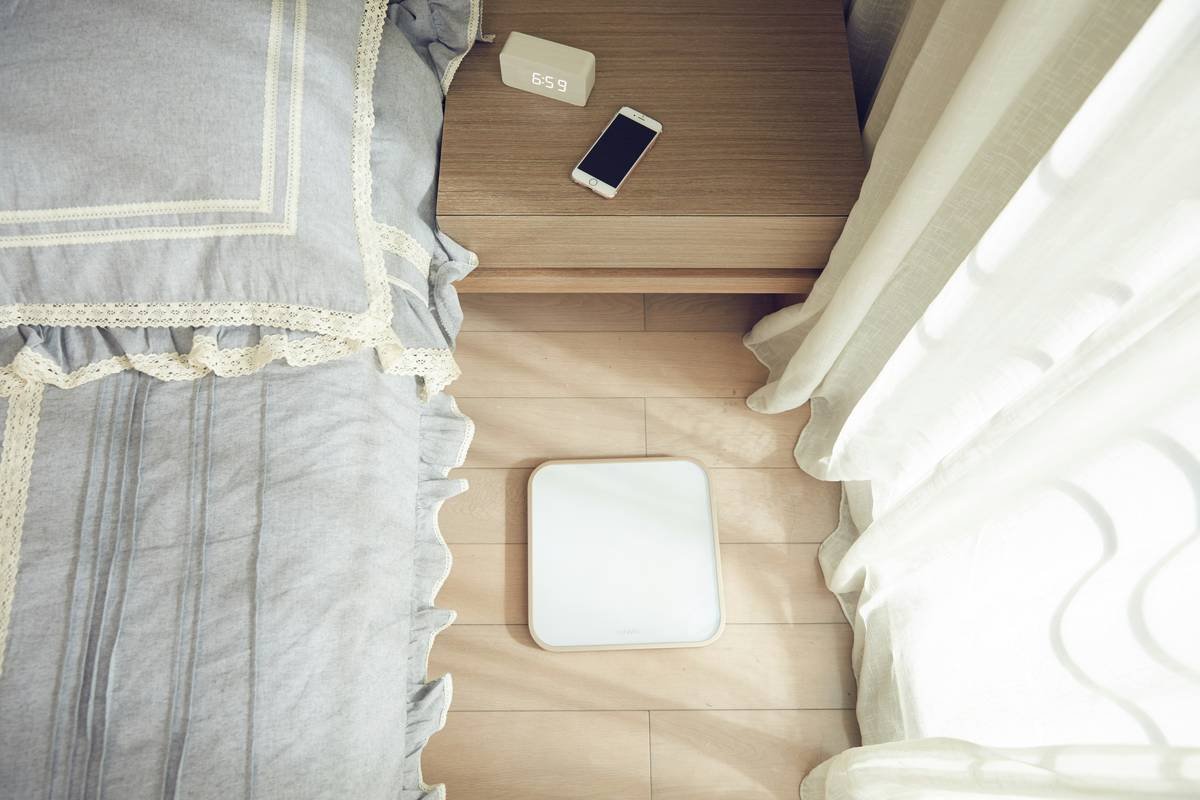
Step 4: Test Everything
Once connected, test basic functions first. Can you adjust your smart bed’s lumbar support remotely? Does your smart desk raise smoothly? These tests ensure everything operates as intended before experimenting with advanced features.
Best Practices for Furniture App Integration
- Stick to One Ecosystem: Mixing Google Nest with Amazon Alexa creates chaos. Pick one system and stick to its ecosystem.
- Name Devices Clearly: Label each item descriptively (“Living Room Couch Heater”) instead of cryptically (“Device_001”).
- Monitor Connectivity: Keep an eye on signal strength since walls and interference wreak havoc.
- Don’t Overcomplicate Things: Adding too many automations leads to nightmares. Start simple.
Terrible Tip Disclaimer: Thinking that louder notifications solve everything? Wrong move. Constant alerts saying “Your ottoman cushion pressure is low!” might drive you batty. Avoid unnecessary noise pollution.
Examples and Case Studies
Example #1: The Smart Office Revolution
One company upgraded their office spaces with height-adjustable standing desks integrated into Microsoft Teams workflows. Employees could schedule sit/stand reminders directly within the app. Result? Improved posture and productivity stats soared by 25%.
Example #2: Customizable Living Rooms
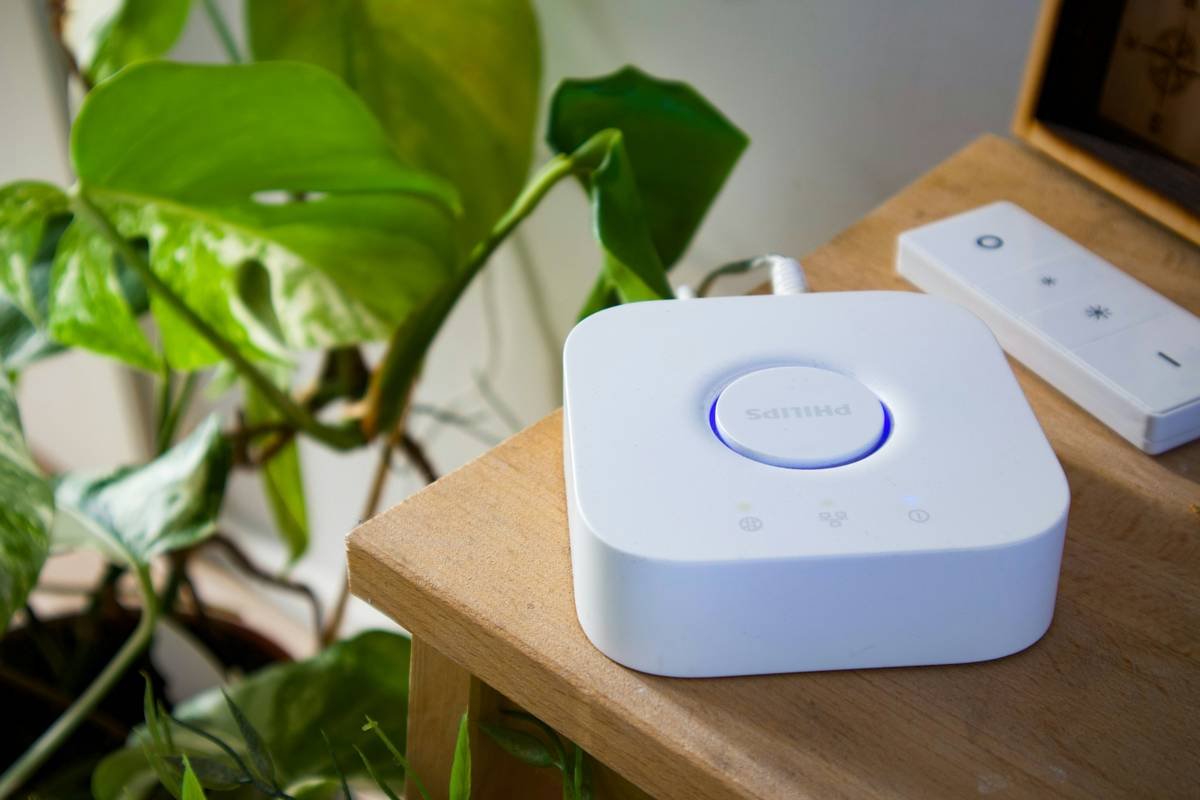
A homeowner installed adjustable lighting inside her modular sofa synced with Philips Hue. Using voice commands, she transformed her space from cozy movie mode to party-ready neon paradise effortlessly.
FAQs on Furniture App Integration
Q: What happens if my smart furniture loses internet connection?
A: Most modern smart furniture offers offline capabilities for essential functions (e.g., adjusting angles). Advanced features requiring cloud processing may not work temporarily.
Q: Can older non-smart furniture integrate with apps?
A: Yes, retrofits exist! Kits add sensors or motors to traditional pieces, enabling app control. However, results vary based on original build quality.
Q: Is furniture app integration secure?
A: Generally yes, provided proper security protocols (password protection, encryption) are followed. Always buy reputable brands to minimize risks.
Conclusion
Furniture app integration transforms ordinary furniture into intelligent companions for modern living. By following our step-by-step guide, implementing best practices, and learning from case studies, you’ll unlock true potential—and avoid accidental disco parties.
To recap:
- Compatibility matters more than coolness factor.
- Set aside time for thorough setup and testing.
- Avoid overloading yourself with unneeded complexity.
Like trying to explain dial-up AOL in 2024,
your smart furniture begs for patience.
Whispers of Wi-Fi—we stand united.